Reflective Essay

My Research Journey
Before beginning my undergraduate degree at Thompson Rivers University, I felt unsure. I knew I wanted to do something in the realm of science, but I did not know where to start. I was drawn to the topic, but had no idea how real scientific knowledge was created. And my previous “research” experience consisted of backyard observations. In our cabin at Paul Lake, I would sit at the window watching birds swoop from afar, picking out sunflower seeds from the feeders we hoisted upon the Cedars. I wondered, “Why did these birds do what they did? Why did some cache seeds while others consumed them?”
Before stepping into my first year, I thought research was distant–something performed only by experts–but little did I know, the “research” I was doing at my cabin was not far off from the research I would do later on in my university career. What changed me the most was not the technical skills I gained from lab/fieldwork; instead, it was the mentorship that showed me what it truly means to be a scientist and, more importantly, a mentor to others.
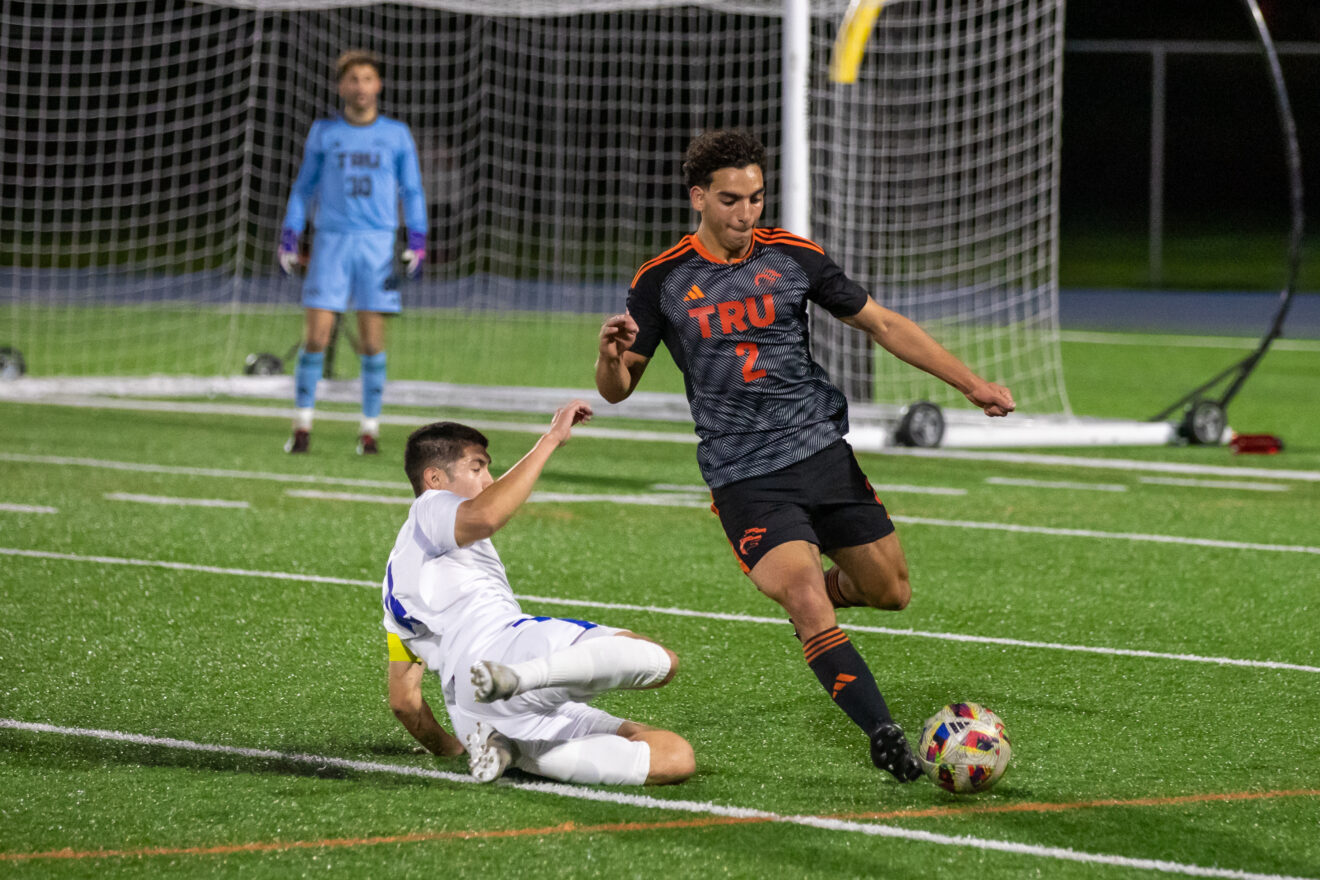
It took me a few years to finally commit to a research project, but I had many role models surrounding me. On the TRU Men’s Soccer team I played on, there were many BSc students I could look up to. My teammates would talk about the research. Their enthusiasm helped me envision myself doing research over the summer. One of my teammates, who was a fantastic student and even better friend, would come to training and talk about his project analyzing the contents of bear feces across Sun Peaks. He would ride his bike for hours a day, trying to find scat to take back to the lab and rigorously analyze. Looking back, their dedication to research and the stories that came with it was what pushed me to ask Dr. Matt Reudink about doing summer research in 2025.
I had minimal research experience before I approached Dr. Reudink, but he believed in me. He allowed me to work with him over the summer of 2025—I was ecstatic.
At first, my research objective was to understand a bird-tracking system, known as Motus, and to determine ways to use the technology for small-scale tracking of mountain chickadees. I was excited for my upcoming UREAP summer project. But then, something unexpected happened: the fellow who makes the technology tragically died in a car accident.
I worked with Matt and my secondary supervisor, Dr. Emily Studd, to develop another project. I never expected the replacement project to be something even more interesting than the original project I thought I was going to do, but it was. For the new project, I would have to collect fecal samples from Mountain chickadees to analyze their stress levels using Fecal Corticosterone Metabolite analysis. The idea was excellent, but frightening at the same time; I was entering completely new territory. Fortunately, the skills I learned from my UREAP application helped me quickly come up with a new plan. Field season was right around the corner, and I was all in.
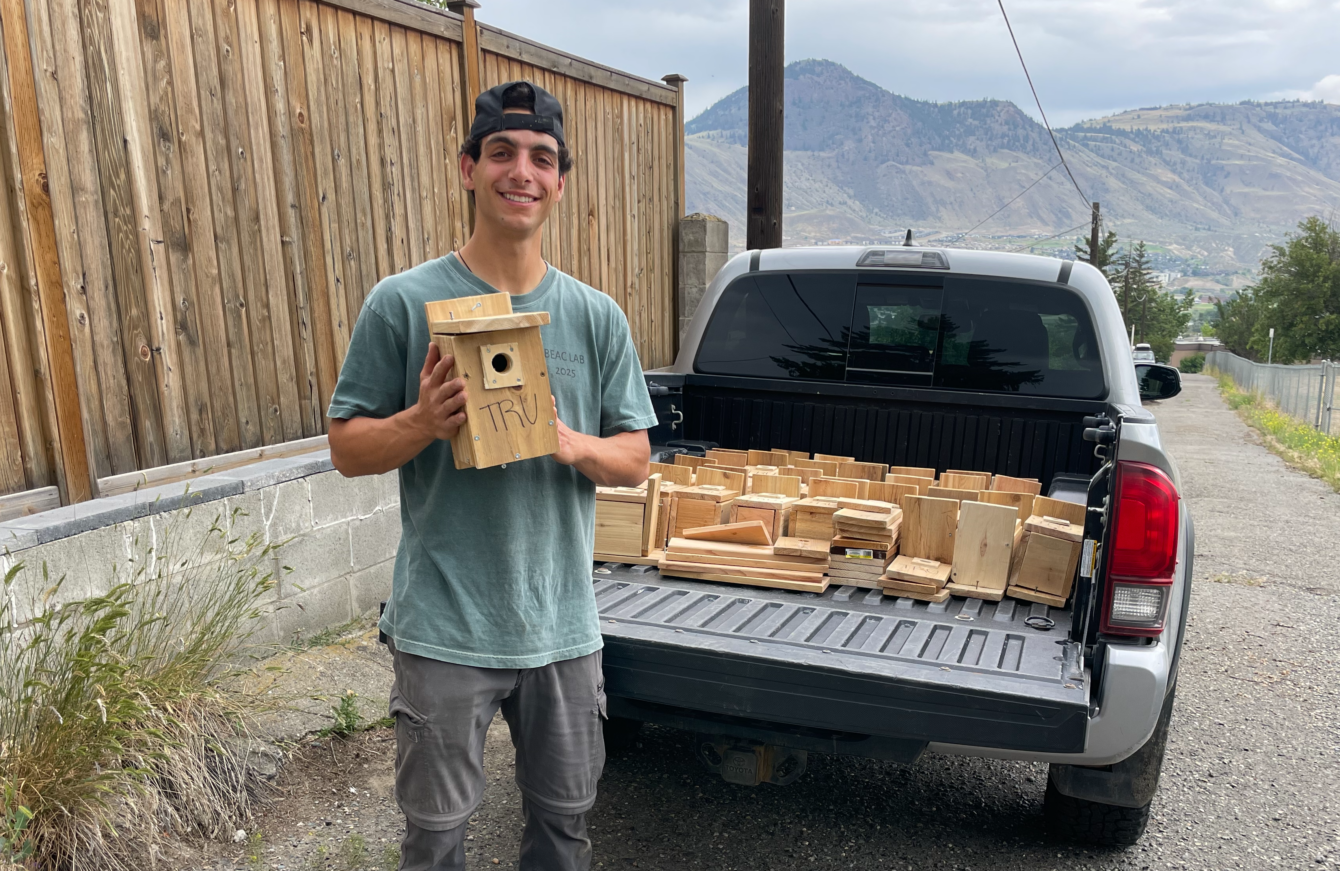
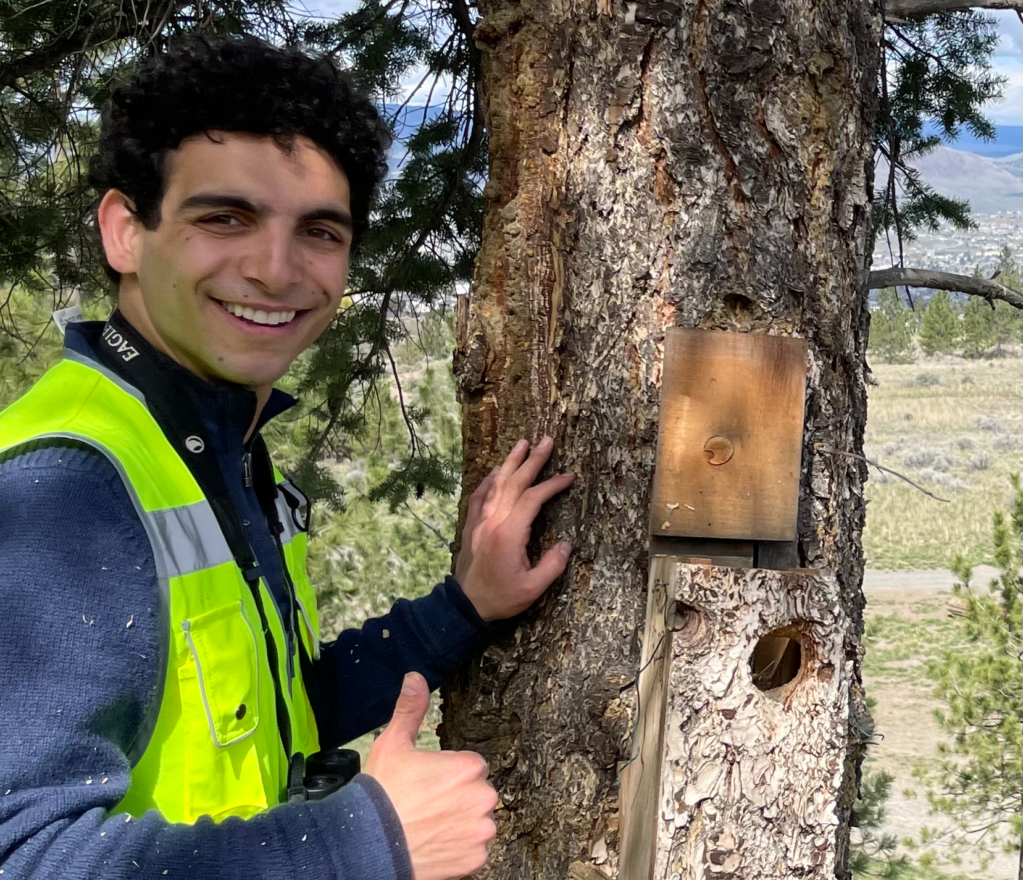
I remember my first day out in the field. Matt sent me out with an MSc candidate, Lorena. We scurried around campus, climbing up trees with the tree ladder, checking mountain chickadee nest boxes. Little did I know that Lorena would have a massive positive impact on my appreciation for research. The more I did fieldwork with Lorena, the more I learned about conducting good research.
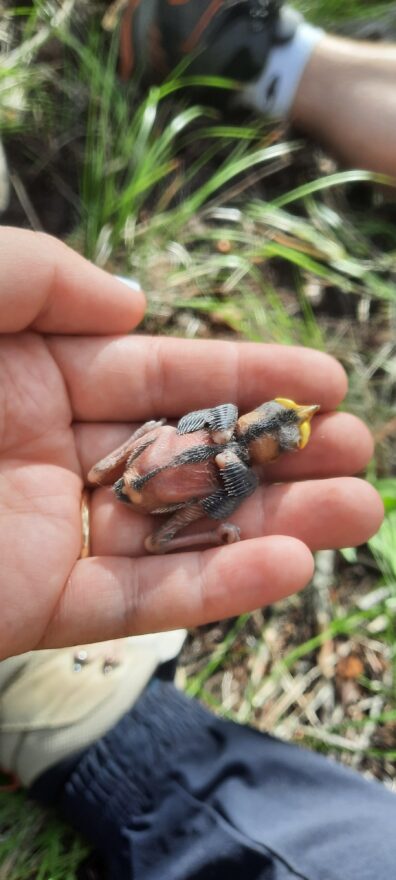
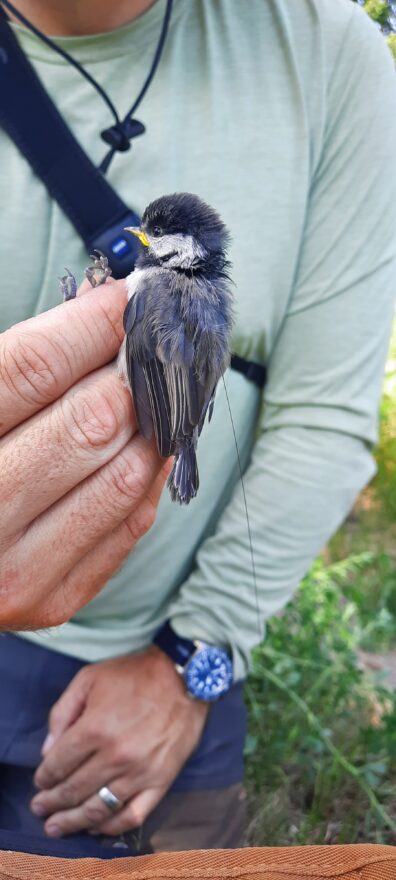
Out in the field, I learned how to observe mountain chickadees. When the nestlings hatched, we measured their weight and wing length. After watching Matt and Lorena a few times, I was excited to give it a shot myself. It was AWESOME! Holding a baby mountain chickadee in the palm of my hand, feeling its heart beat. I realized, in that moment, that this was something I wanted to do. I wanted to be able to give other students–as Matt did for me–the opportunity to pursue their passion and make an impact on the world. Both Matt and Lorena have been inspirational and challenged me to be my best.
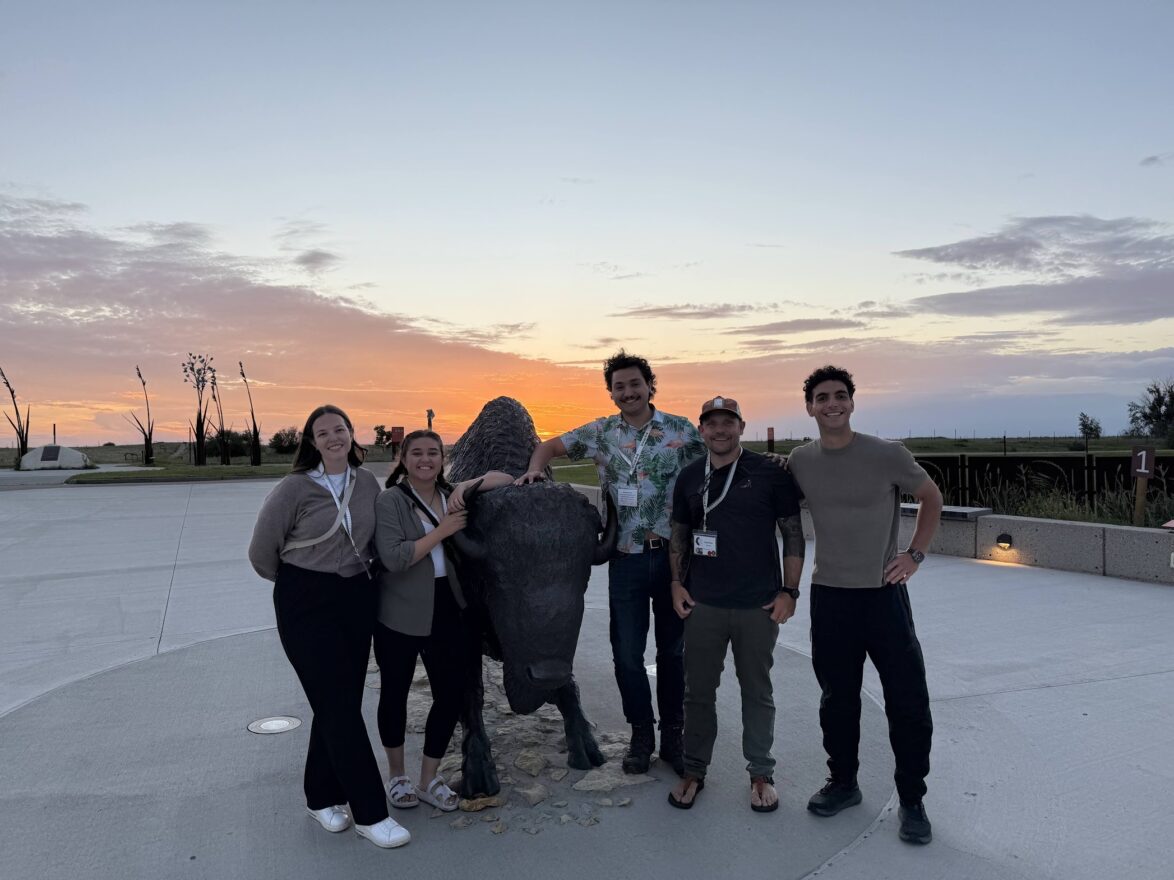
When the field season finished, Matt invited me to go to a conference hosted by the Society of Canadian Ornithology in Saskatchewan. There, I met ornithologists from all over the world. Notably, Dr. David Bird was someone with whom I deeply connected. He was kind and listened to the many undergraduate students who came to talk to him. In a sense, I wanted to be like Dr. Bird: helping students find their purpose and learn about the biology of living things, especially birds.
After the conference, I had to begin work in the lab. I knew how to follow lab procedures, but I never had the chance to develop my own methodology. I got to use poop from a professor’s pet parrot named Mango. Dr. Margaret Sonnenfeld was a professor I built a positive relationship with during Cell Biology in my 3rd year. I got to talk to Kathy, our lab technician, about the possibility of becoming a teacher–her insight was invaluable.
Dr. Rakobowchuk was another excellent role model for me; he showed me the importance of remaining calm and focused in my research. Despite not being the official supervisor for my project, Mark had spent extra one-on-one time teaching me crucial methods, such as performing an Enzyme-Linked Immunosorbent Assay for my research. He treated me like a true researcher by challenging me to think critically and troubleshoot problems on my own.
Reflecting on the research I have done at TRU has allowed me to realize that it’s never too late to ask, to start, or to change course. The farther away I got from doing research, the scarier it was for me to ask professors to guide me on a research project. But I did, and I am forever grateful for the support I have been shown along the way.
Through my research, I found my true passion. The relationships I have built through my journey at TRU have led me to pursue a career as a teacher. It may seem like something small to some people, and many are surprised when I tell them this is my goal, but after recognizing the impact all these mentors have had on me through the years, I’ve realized that teaching is one of the ways I can make a profound and positive impact on the world. I can’t wait for the next chapter, and I am forever grateful for everything Thompson Rivers University, my mentors and research have taught me thus far.